Pavé Diamonds — The Art of Light, Set with Intention
There is a certain kind of brilliance that doesn’t announce itself loudly—it reveals itself gradually, with movement, with proximity, with light. Pavé diamonds embody this quiet radiance.
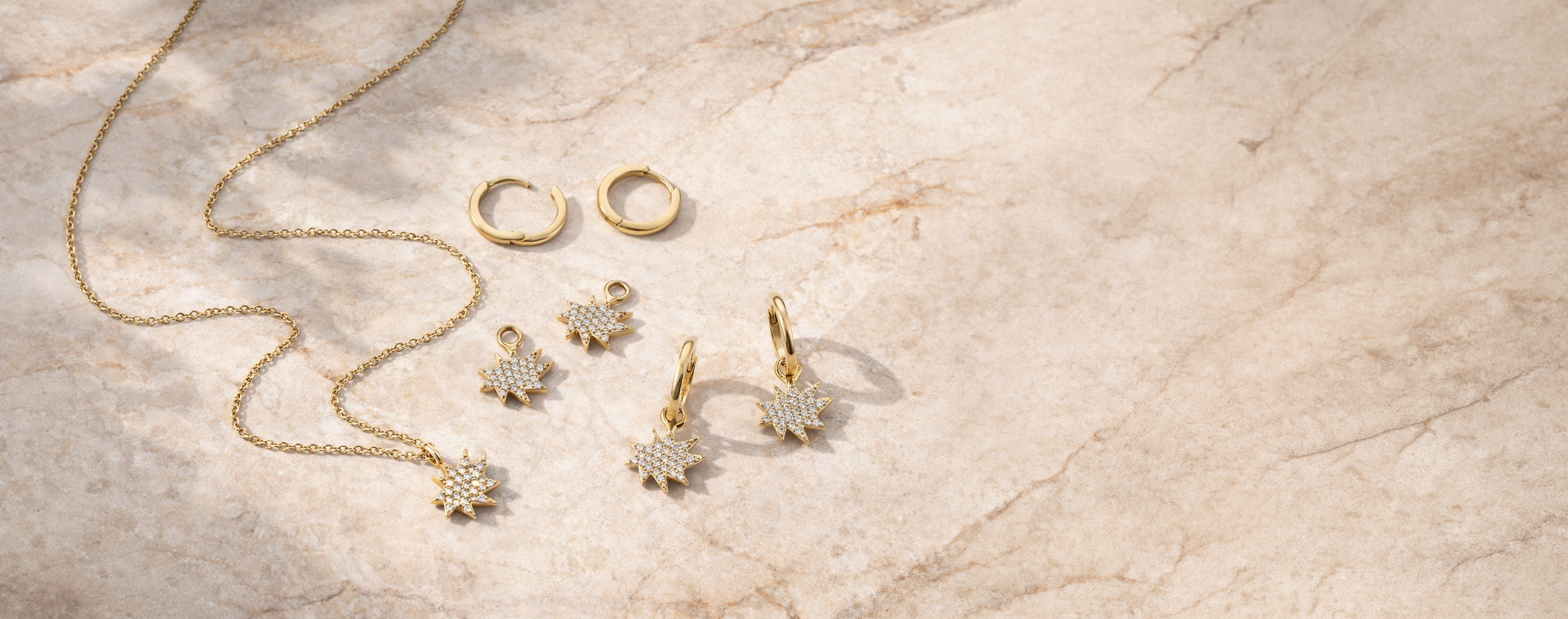
Derived from the French word for “paved,” pavé refers to a setting technique where small diamonds are placed closely together, creating a continuous surface of sparkle. The effect is seamless—less about individual stones, more about the collective glow they create.
But true pavé is not simply about density. It is about precision.

Each diamond must be meticulously set to ensure consistency in spacing, height, and alignment. Too much variation, and the surface loses its fluidity. Too rigid, and it loses its softness. The goal is balance—a field of light that feels natural, almost effortless.
What makes pavé particularly compelling is how it interacts with design. Unlike larger stones that act as focal points, pavé enhances form. It traces edges, highlights curves, and adds dimension without overwhelming the structure of a piece.
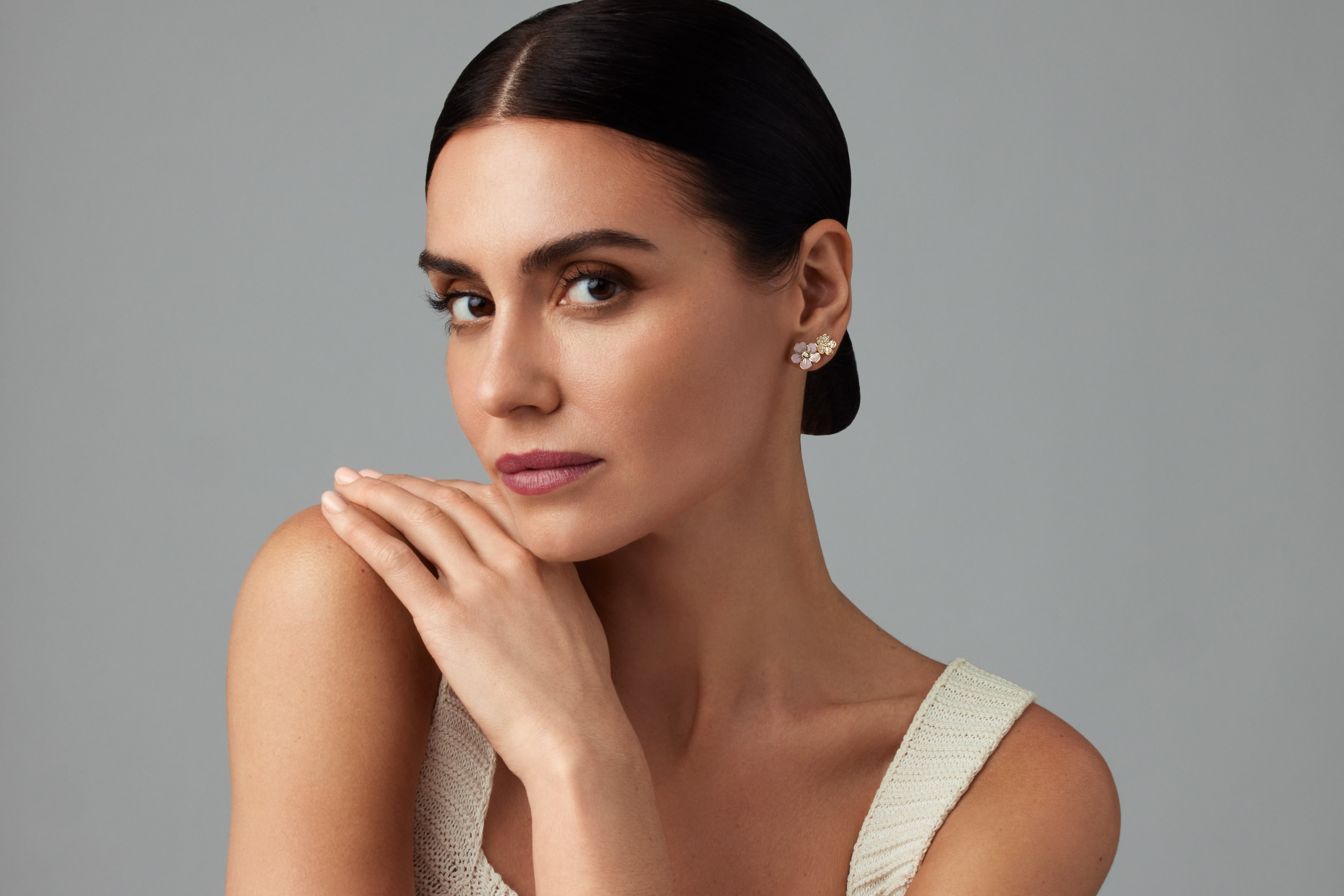
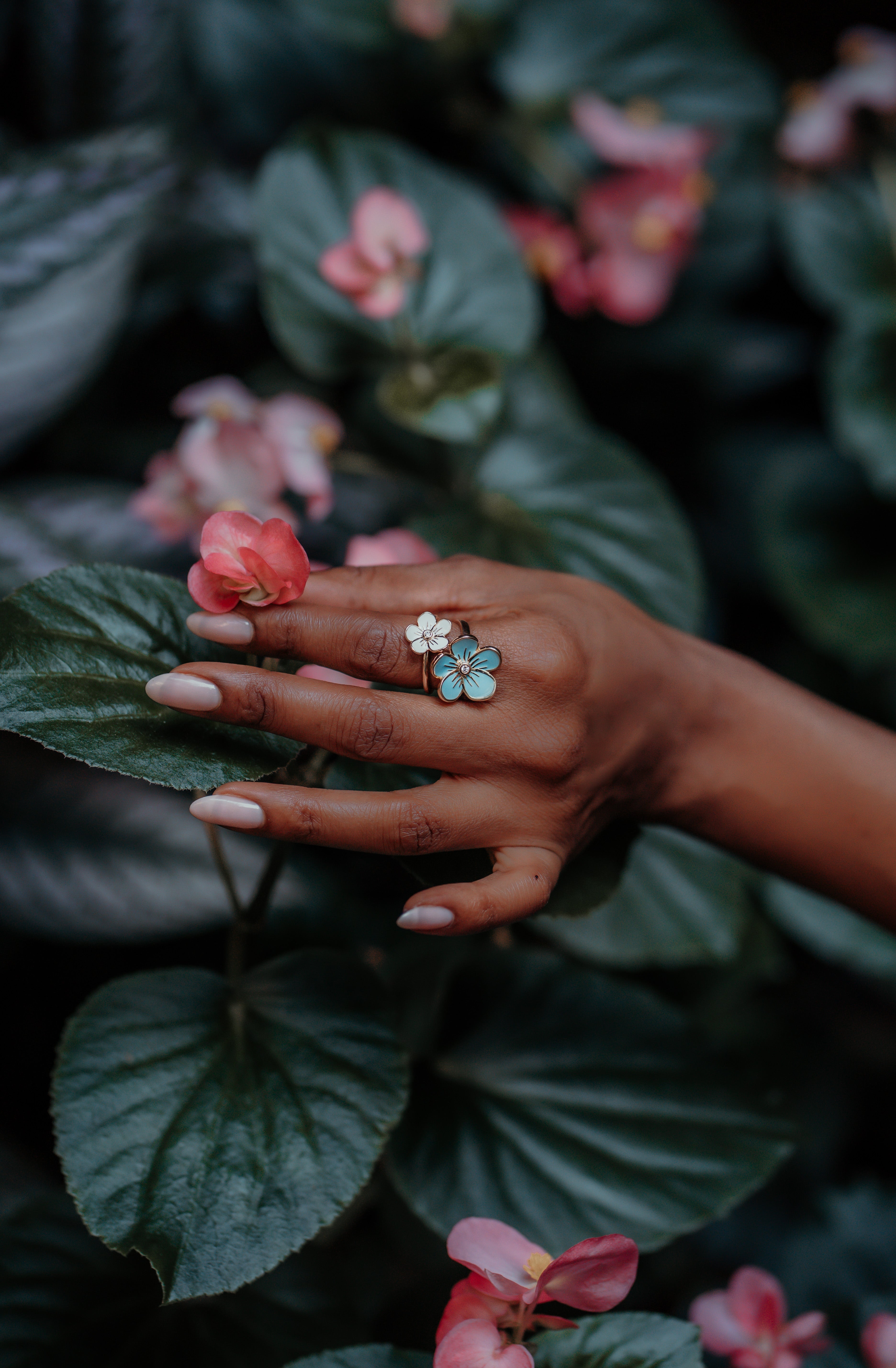
In the context of Emily Kuvin’s designs, pavé is used with restraint and intention. It becomes a textural element rather than a statement of excess. A pavé Florette bloom, for example, doesn’t shout—it shimmers. It adds depth to the silhouette, catching light in a way that feels alive, never static.
There is also a versatility to pavé that often goes overlooked. It transitions seamlessly from day to evening, from understated to elevated, depending on how it is worn. A single pavé detail can add just enough brilliance to transform a piece, while layered pavé elements can create a more dimensional, luminous effect.
Ultimately, pavé diamonds are about nuance. They reward a closer look. They move with you. They reflect not just light, but craftsmanship.
And in that way, they represent something essential to fine jewelry: beauty that reveals itself over time.